Content
Only 43% of chronic severe alcoholics are employed full-time and 7.6% are unemployed or permanently disabled. Nearly half of them have a close family member who is also an alcoholic. They have an average age of 38 years, began drinking at almost age 17, and developed alcohol dependence at an average age of 32 years. Intermediate familial alcoholics drink on an average of 172 days a year, consuming five or more drinks on 54% of those days with a maximum of 10 drinks. They also have a later age of first drinking (average of 19 years) and a later onset of alcohol dependence at an average of 37 years.
Therefore, Psychology Today reports that they often deny they have a problem with alcohol and are less likely to seek professional help. Alcohol impacts brain chemistry, and regular exposure to the mind-altering substance may actually change the way the brain’s circuitry works. An individual may then suffer from cravings and withdrawal symptoms when alcohol isn’t active in the bloodstream, encouraging the person to drink more to feel better. The young adult alcoholic may not seek help for their problematic drinking, as drinking to excess at this age is often considered “normal” and part of a phase of life. Family members and adults may assume that the young adult will then “grow out of it” and do not see the drinking as a potential ongoing or long-lasting issue. More than 80% of this group experiences acute alcohol withdrawal and persistent efforts to cut down, and more than 90% experience drinking despite the problems it causes them and drinking larger amounts and for longer than intended.
The Stockholm Adoption Study
Studies do show that those young adult subtype alcoholics who are not enrolled in college are more likely to have part-time jobs. One of the most concerning aspects about alcoholism in this age group is the damage alcohol can do to the brain, as the brain is still developing in important areas, such as in the prefrontal cortex. Maybe you’ve started thinking about your own binge drinking and how it’s similar to that describing a Young Adult Alcoholic. Or maybe you’ve realized that just because you have a successful career and loving family doesn’t mean you aren’t a functional alcoholic after all. For this class of problem drinker, individuals usually go to self-help groups, specialty treatment programs, detoxification programs, and individual private health care providers according to the study. One of the most concerning aspects of this subtype of alcoholics is the fact that it has the lowest rate of seeking help out of any other type- only 8.7% of Young Adult Alcoholics actually try to get the treatment they need.

Located in Orange County, Chapman House has provided premium alcohol, drug, and behavioral health care treatment since 1978. Because alcoholism has been identified as a disease, determining the exact manifestation and severity gives addiction specialists a powerful tool that can shape more personalized and effective treatment. Making up just 9% of alcoholics in this country, the Chronic Severe subtype highlights the profound negative impact of both genetics and early initiation of use. Roughly 50% meet the criteria for a clinical diagnosis of depression, while 20% battle bipolar disorder. Many people who are in this stage of alcoholism may struggle to see that they have a problem due to the fact that their drinking is similar to that of their peers, especially if they’re in college or in the armed services. This group has a high rate of co-occurring mental illness, with roughly half of them coping with clinical depression and 20 percent with bipolar disorder.
Treatment for Alcohol Use Disorder
Most people think of an alcoholic as someone whose life is falling apart because of their alcohol use. But in fact, many individuals suffering from alcohol use disorder are known as functional alcoholics or high-functioning alcoholics. According to the NIAAA study, a functional alcoholic is usually middle-aged and developed a dependency problem later in life than most other subtypes, typically at around 37 years old. Around half of functional alcoholics are married, and most have full-time jobs with a mean family income of around $60,000 per year (the highest of the subtypes).
A chronic severe alcoholic likely started drinking and struggling with alcohol-related issues and problematic drinking at a young age and is currently middle-aged. This subtype also battles antisocial personality disorder at high rates and regularly has issues with the law and therefore criminal or legal troubles as well. About half of functional alcoholics are married, 62 percent work full-time, and 26 percent have a college degree. On average, they drink alcohol every other day, and they consume five or more drinks on an average of 98 of those drinking days. About 31 percent of functional alcoholics have a family member with alcohol use disorder. Although they have low rates of anxiety disorders, they have about a 24 percent probability of having major depression.
Guide to the Different Kinds of Alcoholics
This type of alcoholic can balance their personal and professional responsibilities while living with addiction. Often, they don’t seek help for their drinking until they experience significant health problems. The severity of alcoholism is typically tied to how often a person will seek treatment, and NIH reports that two-thirds of chronic severe alcoholics will seek professional help. More than half of young antisocial alcoholics have a family history of alcoholism, and around half also struggle with antisocial personality disorder.
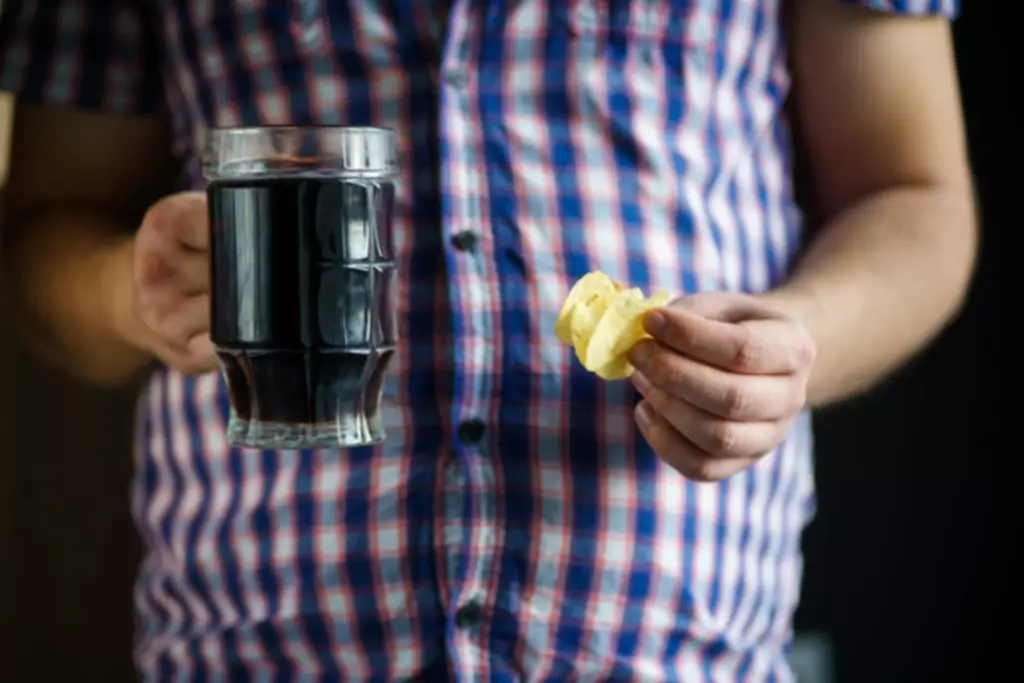
Alcoholism is a manageable disease; treatment is necessary to manage it. NIAAA reports on a national survey that found that 60 percent of college students between the ages of 18 and 22 drank alcohol in the past month, and nearly two out of every three of these students binge drank during that month. Binge drinking is a pattern of excessive alcohol use that increases the risk for developing tolerance and then physical dependence on alcohol that can then lead to addiction. According to NIAAA, around 20 percent of college students struggle with alcohol addiction. This group has one of the lowest education levels of any subtype and also has the lowest employment rate. This group drinks more frequently than any other, although their total alcohol intake is less than the young antisocial subtype.
Of this type, about 76% are male and only 7.6% have received a college degree, although another 13.4% are still in school. Family incomes average around $32,000, the lowest among the subtypes alongside the chronic severe subtype. There may be other mental health issues that occur along with a personality disorder. Underage and young types of alcoholics drinking is a public health concern that can cause a multitude of emotional, behavioral, social, physical, and interpersonal problems without proper attention. Drinking changes the way the brain works, and drinking before the brain is fully developed increases the odds for alcohol-related and addiction problems later in life.
- Nearly a third of those who have an alcohol use disorder fall into the young adult subtype.
- Yes, there is a difference in treatment for different types of alcoholics.
- They may head to work in the mornings with no issues, and drive home at night with a clear head.
- Nearly one-third of all alcoholics fit into the young adult alcoholic subtype.
- Yet, members of this group—35%—are more likely to seek help, and from multiple sources, including private healthcare providers, self-help groups, specialty treatment programs, and detox programs.
If you find that the above descriptions resemble you or a loved one, you’re not alone. At The Recovery Village, we offer evidence-based treatment methods that can address every aspect of each client’s treatment needs. We want to guide you down the path to recovery – call today to learn more. The NIAAA researchers found that there were five distinct patterns of alcohol dependence.
Differences Between Type I and Type II Alcoholics
The FHE Health team is committed to providing accurate information that adheres to the highest standards of writing. If one of our articles is marked with a ‘reviewed for accuracy and expertise’ badge, it indicates that one or https://ecosoberhouse.com/article/what-is-the-life-expectancy-of-an-alcoholic/ more members of our team of doctors and clinicians have reviewed the article further to ensure accuracy. This is part of our ongoing commitment to ensure FHE Health is trusted as a leader in mental health and addiction care.